
Rheocasting components bring lightness to vehicle construction
Rheocasting is a special casting process in which aluminium is cast in a semi-solid or semi-liquid state. This so-called semi-solid process has many advantages.
Proven Technology. Unmatched Performance.
The future of Aluminium Casting starts here
At SAG, we don’t just innovate, we bring innovation into the real world. With over 30 years of experience in metal processing, our proprietary Rheocasting technology delivers a game-changing solution for manufacturing lightweight, high-strength aluminium components. For modern vehicle construction, these components combine structural performance with the lightness required for next-generation mobility.
More than just a casting method, rheocasting combines the best attributes of forging, high-pressure die casting, low-pressure die casting, and investment casting, offering OEMs and Tier 1 suppliers a proven, scalable, and sustainable alternative to conventional methods.
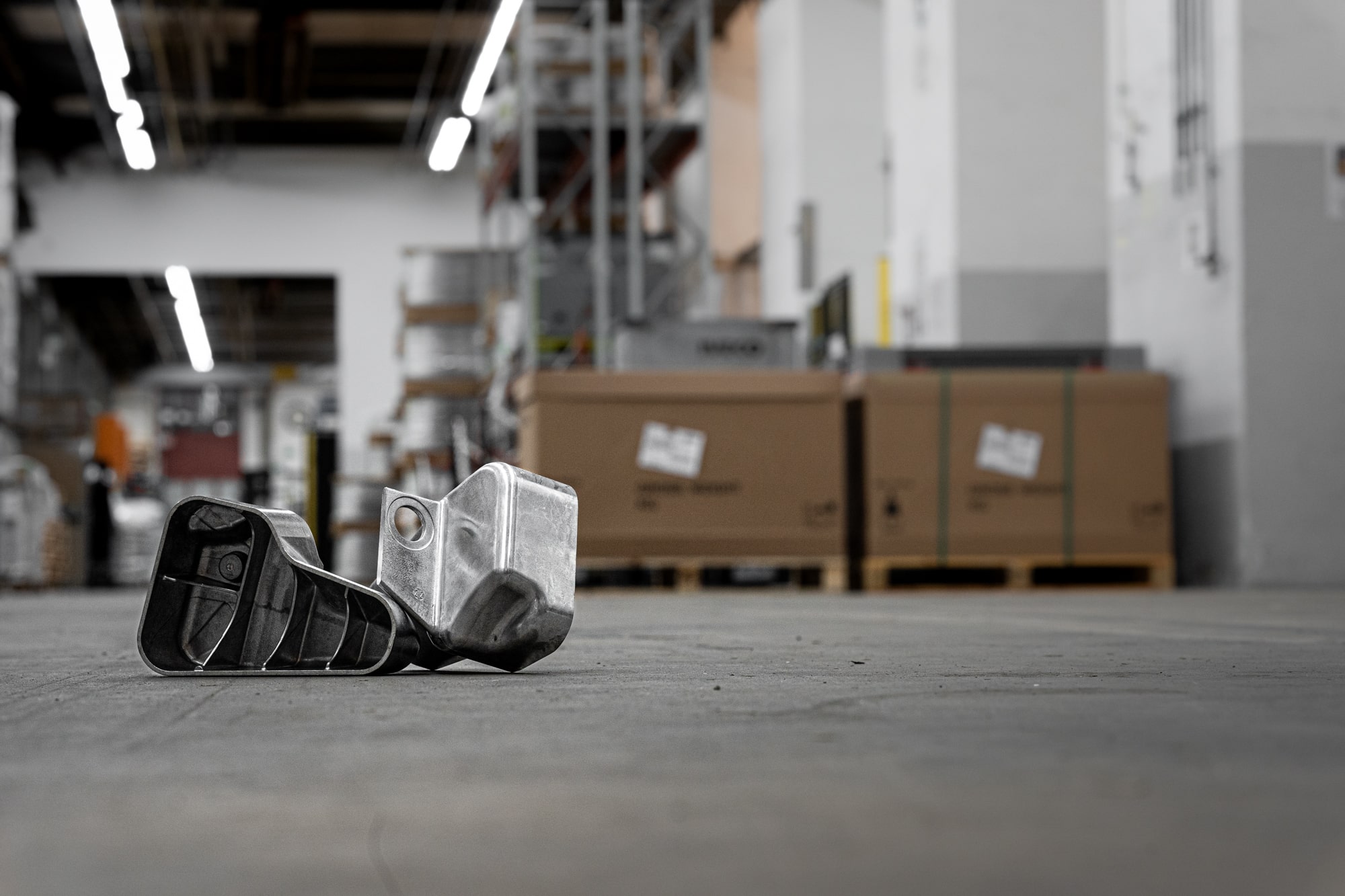
Rheocasting Manufacturer in Europe for Automotive Serial Production
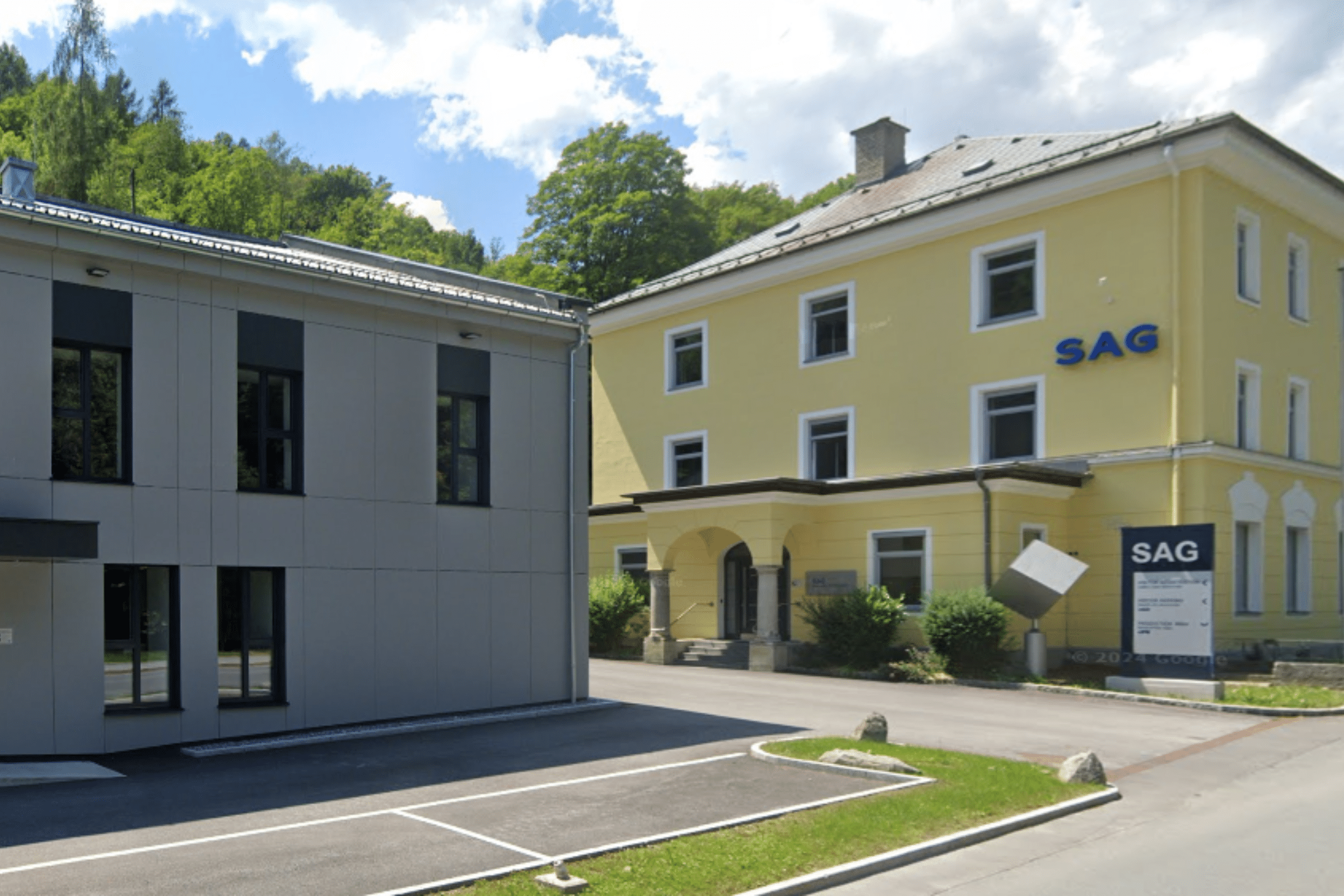
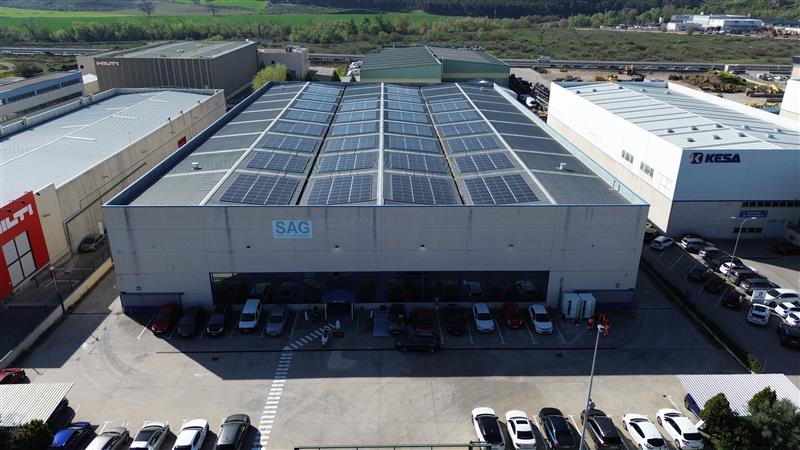
SAG develops and manufactures rheocast aluminium components for automotive and commercial vehicle applications at its production site in Austria. As a European rheocasting supplier and semi-solid metal casting manufacturer, SAG combines engineering, simulation, tooling and industrialization with fully automated high-volume serial production.
The SAG Rheocasting technology processes aluminium in a semi-solid state to manufacture lightweight, high-strength components with complex geometries, low porosity and excellent weldability.
Why rheocasting?
Our process is engineered for performance, precision, and production efficiency, ideal for next-generation mobility platforms and structural components.
- Forging-Level Strength & Ductility
- Helium-Tight Weldability & Smooth Surface Finish
- High-Speed Production Cycles (HPDC Efficiency)
- Complex, Near-Net Shape Design Capabilities
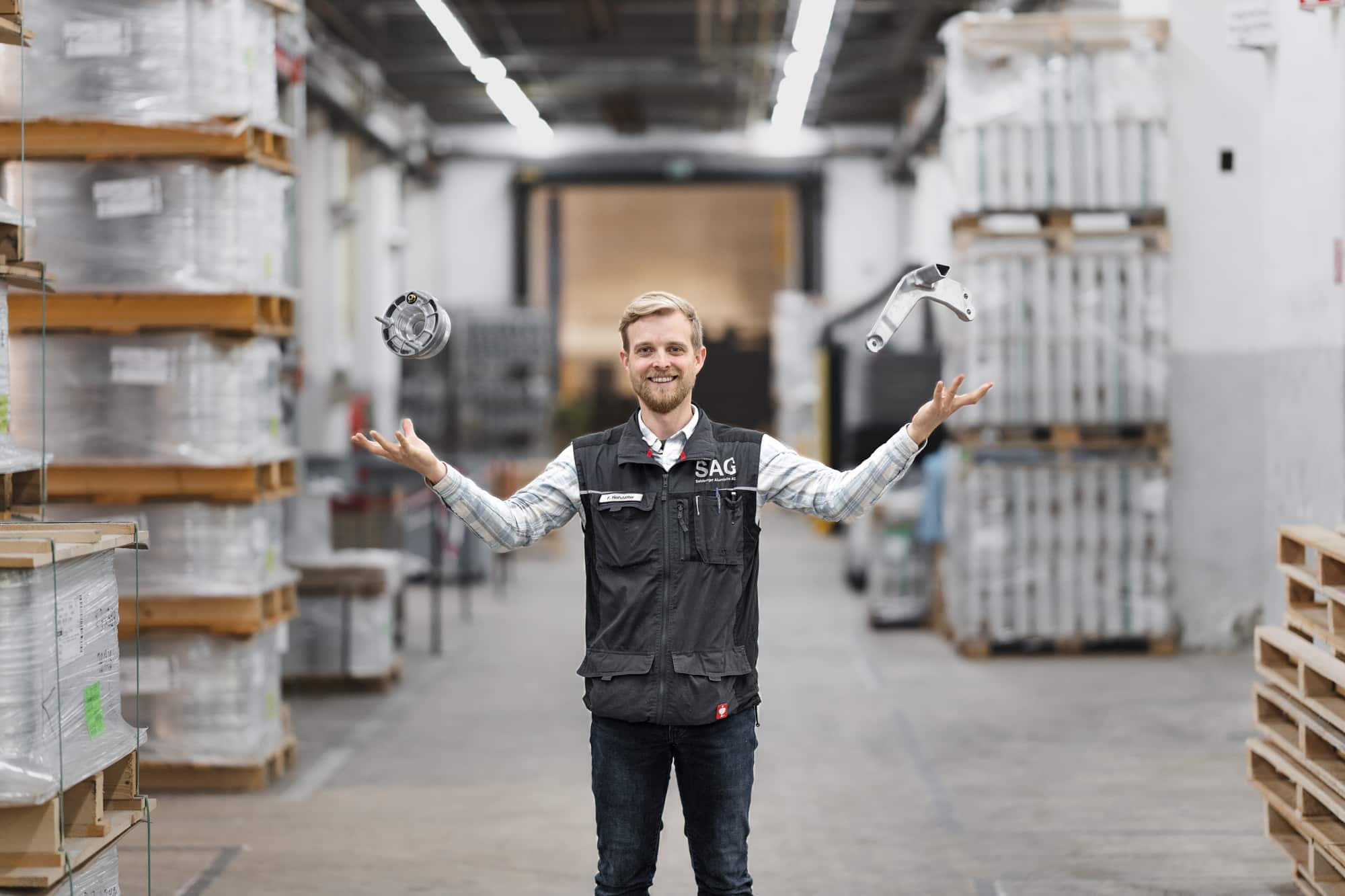
With rheocasting, you get all these benefits in one process refined and already running at full scale in the automotive sector.
Rheocasting vs High Pressure Die Casting (HPDC)
Rheocasting and conventional high pressure die casting both enable efficient production of complex aluminium components, but they differ fundamentally in the condition of the metal during processing.
Rheocasting uses aluminium in a semi-solid state, while conventional HPDC processes a fully liquid melt.
Functional Integration. Smarter Production.
When every gram counts, Rheocasting delivers:
The result? Better handling, enhanced energy efficiency, and reduced emissions, all while cutting production costs.
Up to 60 % less weight
compared to steel parts of the same size. Areas of application: Vehicle components, chassis parts, crash-relevant parts.
Cost-effective because of near net-shape
No milling, deburring, grinding necessary. Areas of application: Visible components, interior parts, brakes.
Best thermal and electrical conductivity
20 % higher thermal conductivity compared with conventional HPDC, improved EMC properties, best for applications in telecommunications and battery technology/power electronics.
Best weldability and pressure density (helium density)
Areas of application: Vehicle components, chassis parts, pressure vessels, radiators, pumps.
Optimum mechanical strength and elongation
Areas of application: Vehicle components, chassis parts, crash-relevant parts.
Allows wall thickness transitions and freedom of design
Any design possible, even for components with different wall thicknesses, e.g. in the field of bionics. Best functional integration, weight optimization at equal installation space.
Sustainability, Engineered In
Rheocasting doesn’t just reduce weight. It contributes to a greener tomorrow
Primary aluminium from Hydro
100% hydropower in Austria
Lighter vehicles
Sustainable Low-Carbon Aluminium Casting – Data & Methodology
Our sustainability figures are based on the following data basis.
From Idea to Industrialization
With SAG, you get more than a process. You get a development partner.
From first sketch to serial production, we’re with you all the way.
- Concept & design consultation
- Rapid prototyping and simulation
- Tooling & industrial process development
- Full automation for high-volume production
- Just-in-time delivery and system integration
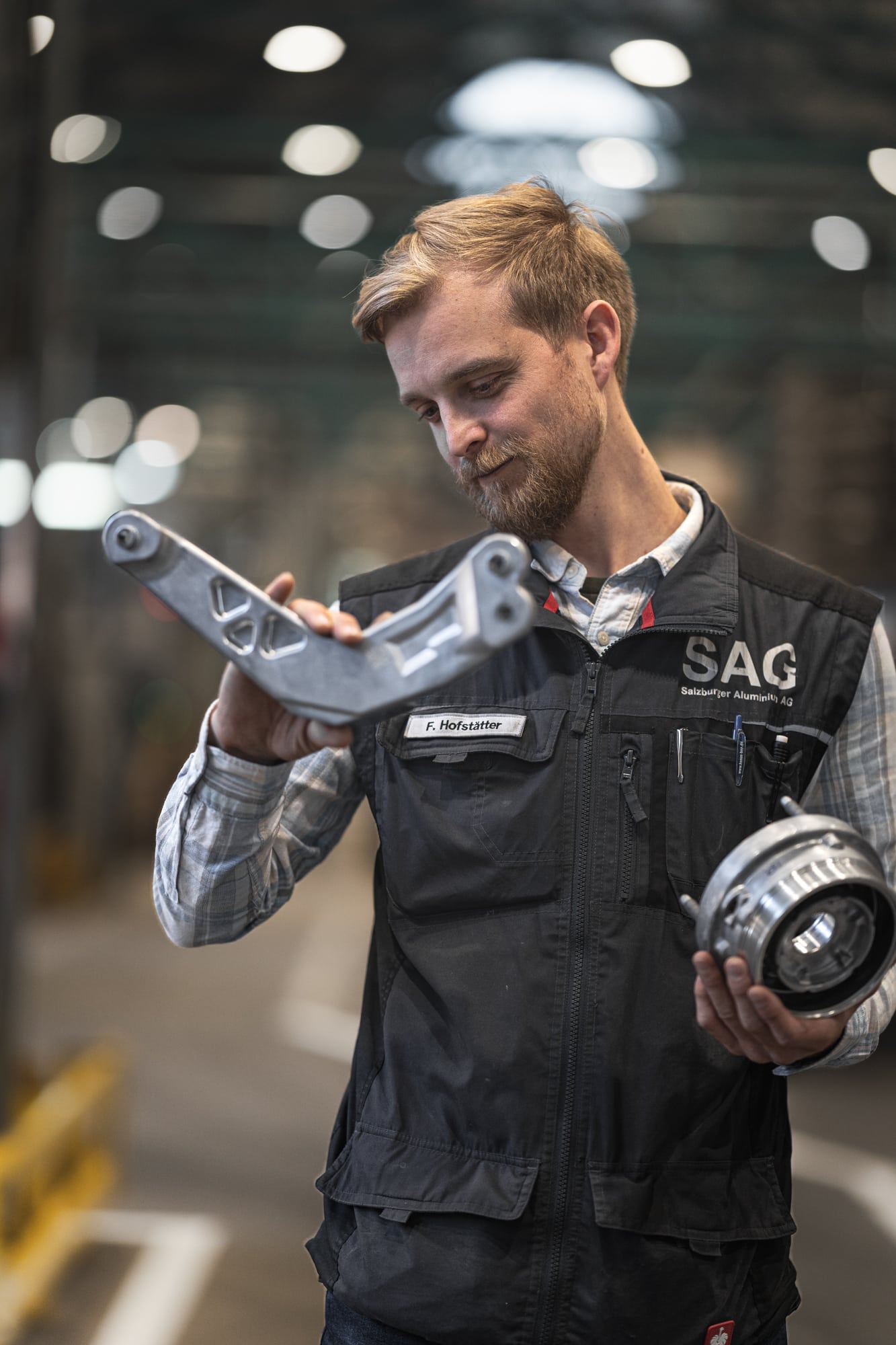
Rheocasting is a special semi-solid casting process for aluminium.
Up to 60 % weight reduction compared with steel parts and other significant advantages were honored by VOLVO with an innovation award. Innovative technologies for processing light metal alloys have undergone enormous development in recent years. These include rheocasting – a special casting process in which aluminium in a semi-solid state is processed into lightweight components with special material properties.
Rheocasting vs Thixocasting in Semi-Solid Aluminium Processing
Rheocasting and thixocasting are both semi-solid metal (SSM) casting processes. In both cases, aluminium is shaped in a state between liquid and solid, which enables laminar die filling and components with low porosity. The key difference lies in how the semi-solid material is produced.
In thixocasting, a specially pre-cast billet with a fine, globular microstructure is reheated to the semi-solid temperature range and then injected into the die. The process takes its name from the thixotropic behaviour of this material: it holds its shape at rest but flows like a liquid when sheared.
In rheocasting, the semi-solid slurry is produced directly from liquid aluminium through controlled cooling and stirring, and is cast immediately. No special feedstock billets and no reheating step are required. This makes rheocasting more flexible in alloy choice and more cost-efficient for high-volume production – which is why SAG relies on rheocasting for automotive serial production.
Where rheocasting makes a difference
Perfect for:
- EV & Hybrid platforms
- Suspension and chassis parts
- Cooling and pressure systems
- Battery modules and safety-critical components
We’re not just a supplier, we’re your end-to-end solution provider for lightweight, high-performance aluminium components.
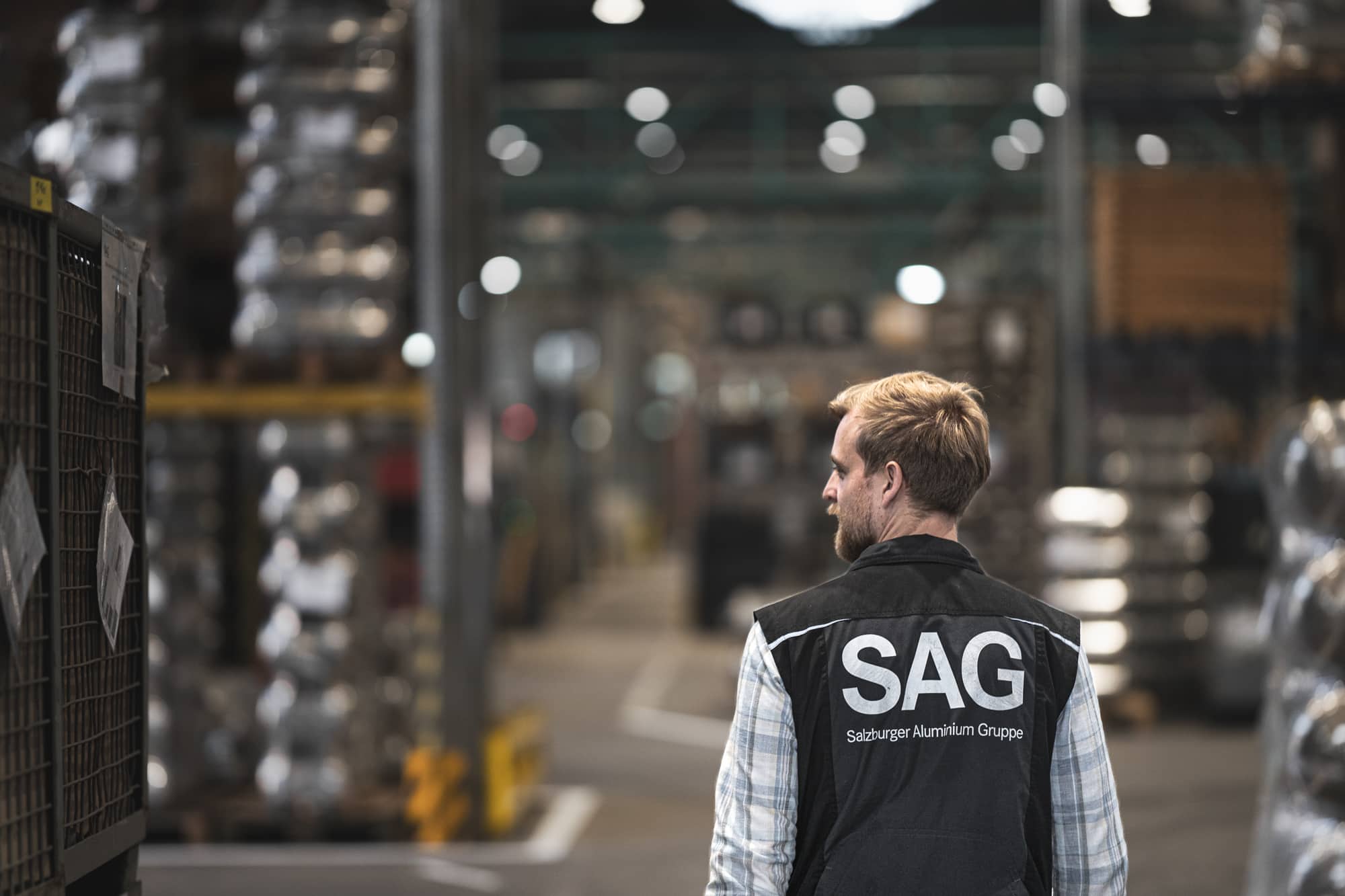
Key benefits at a glance
Rheocasting Proven in Automotive Serial Production
FAQ
Frequently Asked Questions
What is Rheocasting?
Rheocasting is a casting process which uses aluminium in semi solid state to produce high quality parts.
Is SAG a Rheocasting manufacturer in Europe?
Yes
What is the difference between Rheocasting and high pressure die casting?
Rheocasting uses aluminium in semi solid state (high fraction solid) -> laminar die filling
HPDC uses aluminium in liquid state -> turbulent die filling
Is Rheocasting suitable for automotive serial production?
Yes, the SAG Rheocasting process has been proven in high-volume automotive production.
What is the difference between Rheocasting and Thixocasting?
With Rheocasting the semi solid state is done directly of the melt
With thixocasting a pre conditioned material is needed, and scrap parts cannot be easily remelted.
Which automotive components can be manufactured using Rheocasting?
Various casting parts but also forged parts can be improved by using the Rheocasting process.
Contact
Get in touch
- We will get back to you promptly
"*" indicates required fields

SAG GROUP